Electrical connectors and integrated interconnect components serve as the fundamental electromechanical backbone of modern electronic and electrical systems, undertaking the core function of establishing stable, separable, and efficient electrical connections between discrete circuit modules, components, and devices. Unlike permanent welding or bonding connections, these interconnect solutions enable flexible assembly, convenient maintenance, iterative testing, and system reconfiguration, which are indispensable for the modular design and scalable iteration of electrical equipment ranging from consumer electronics and industrial control systems to aerospace avionics and new energy power devices.
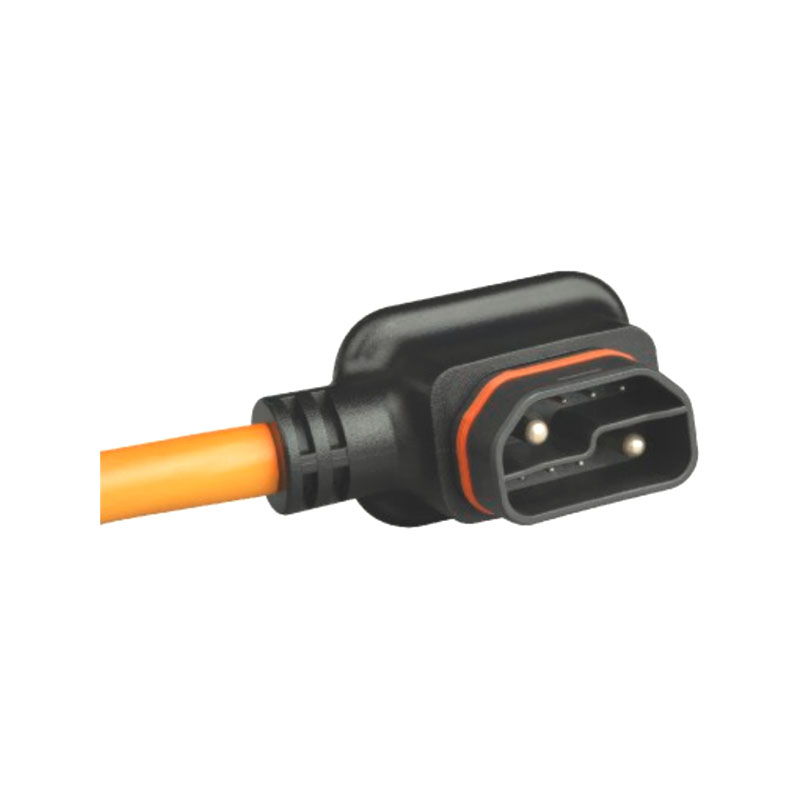
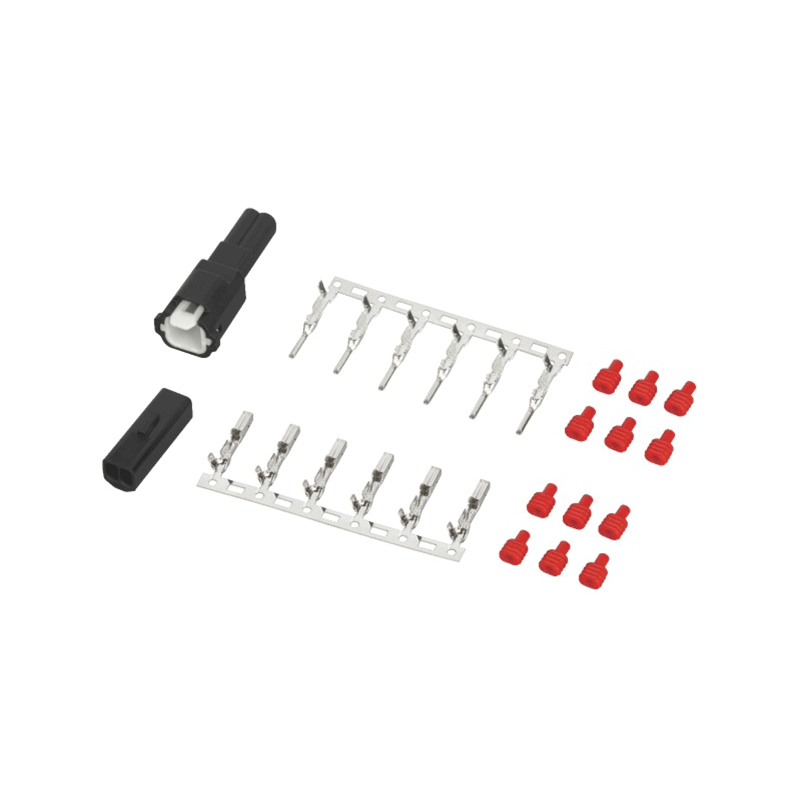
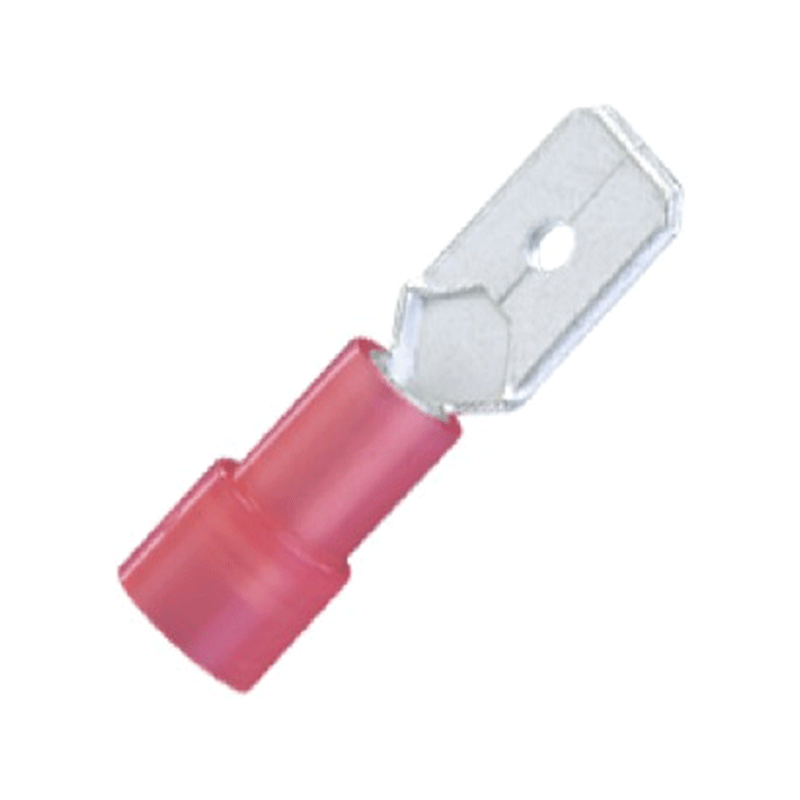
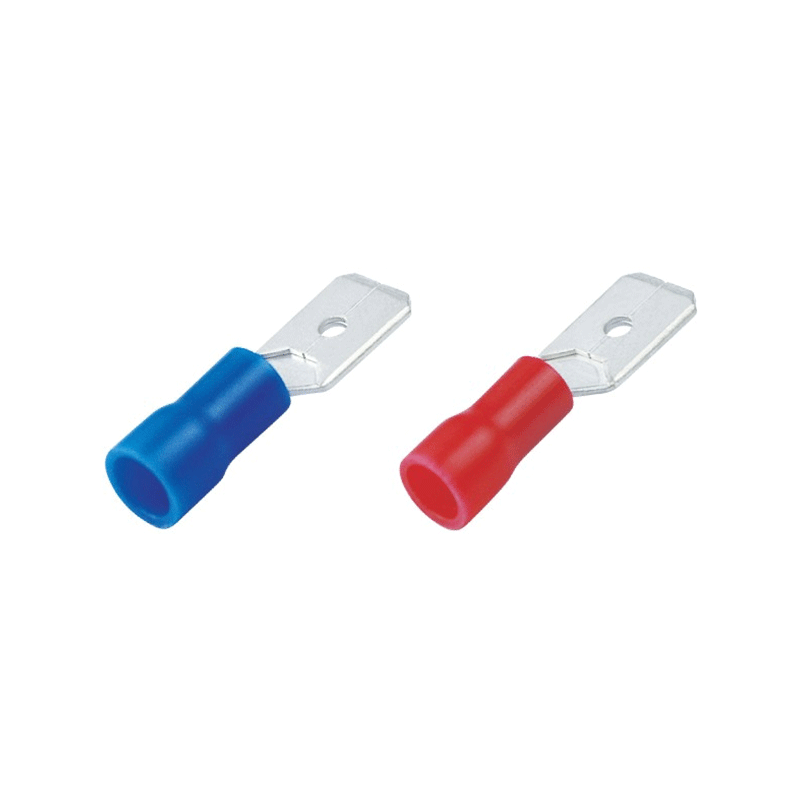
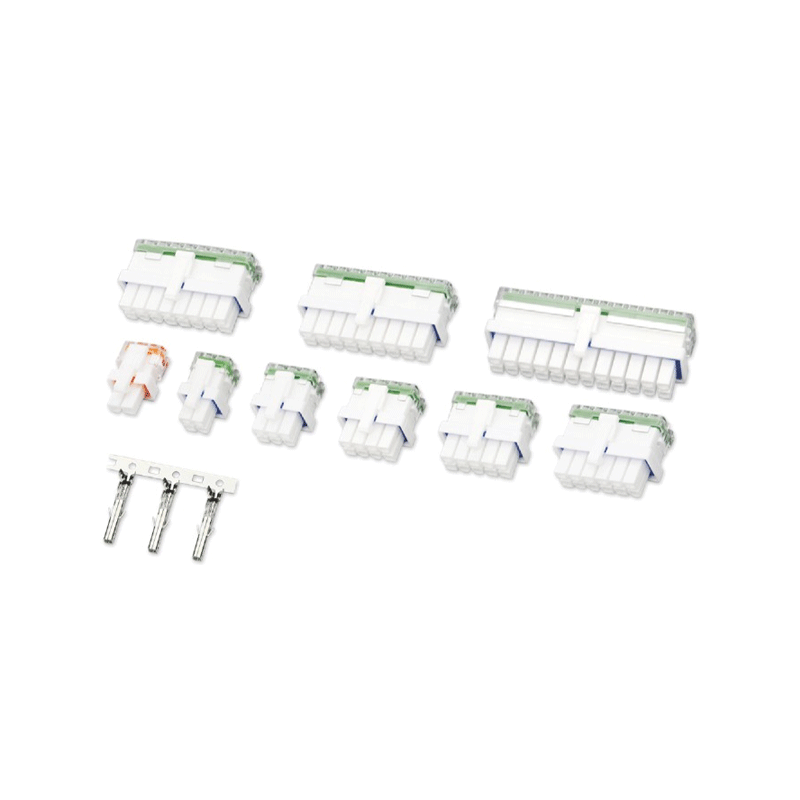
The core working principle of electrical connectors relies on precision mechanical mating and reliable electrical contact conduction. A complete connector system consists of two complementary mating units—plugs and receptacles—paired with high-precision conductive terminals, insulating housings, locking and retention mechanisms, and protective sealing structures. Conductive terminals, typically fabricated from high-conductivity copper alloys such as phosphor bronze and beryllium copper with anti-corrosion plating, form continuous current and signal transmission pathways through physical compression and fitting contact. Optimized contact pressure and surface treatment effectively reduce contact resistance, avoid signal attenuation and heat accumulation during power transmission, and ensure stable conduction under long-term operating conditions.
Insulation and mechanical reliability are essential auxiliary principles for connector performance. The insulating housing adopts high-dielectric-strength engineering plastic materials, which isolate adjacent conductive terminals to prevent short circuits, leakage current and electromagnetic crosstalk, while providing fixed support for internal contact components. Equipped with Terminal Position Assurance (TPA) and Connector Position Assurance (CPA) structures, standard connectors avoid loose mating and terminal displacement caused by mechanical vibration, impact and tensile force. Meanwhile, strain relief and sealing designs resist external environmental interference such as dust, moisture and temperature changes, guaranteeing consistent electrical performance in complex working scenarios.
Integrated interconnect components further upgrade discrete connector technology through systematic and miniaturized design, breaking the limitations of single-point connection. Different from traditional discrete connectors that realize independent line-to-line or board-to-board connection, integrated interconnects integrate multiple contact terminals, insulating structures, positioning modules and even electromagnetic shielding units into a unified compact assembly. This integrated design standardizes interface specifications, simplifies system wiring and installation procedures, and drastically reduces the space occupation and assembly error rate of interconnect structures.
In high-speed and high-power electrical systems, the design principles of integrated interconnect components also focus on signal integrity and power transmission efficiency. By optimizing terminal arrangement, shortening transmission paths and integrating shielding structures, they suppress high-frequency signal loss, delay distortion and electromagnetic interference, adapting to the transmission demands of high-speed digital signals and high-current power. In addition, standardized integrated interface design improves component compatibility and interchangeability, reduces equipment maintenance and replacement costs, and meets the development trend of electronic system miniaturization, high integration and high reliability.
In summary, the essence of electrical connector and integrated interconnect component design is to balance electrical conductivity, mechanical stability, environmental adaptability and system compatibility. Based on basic conduction and insulation principles, continuous optimization of structural design, material performance and integration level enables these core components to support the stable operation of various sophisticated electrical and electronic systems, becoming a key foundational guarantee for the innovation and iteration of modern electrical engineering technology.



 English

 +86-577-62965566

 Cooperate with us



